Quick Article Summary
- Unit Measurement Differences: Dysport uses smaller molecular units than Botox or Jeuveau. You generally need 2.5 to 3 units of Dysport for every 1 unit of Jeuveau to achieve the same muscle relaxation.
- Standard Treatment Averages: Most patients receive 40 to 60 units for frown lines (“11s”), 20 to 40 units for horizontal forehead lines, and 30 to 60 units total for crow’s feet.
- Cost Reality: Although unit counts are higher, the price per unit is correspondingly lower, keeping the total price per treatment area roughly equivalent to other neurotoxins.
- Key Dosage Variables: Muscle strength, forehead width, biological sex, facial anatomy, and personal movement preferences all influence your required dose.
- Adjustment Timeline: Results start settling in within 2 to 3 days, with full results visible around day 10 to 14. Any minor dose tweaks happen at a two-week follow-up.
If you’re researching wrinkle relaxers for the first time, seeing numbers like “50 units” or “80 units” on a treatment quote can give you pause. If you’ve talked to friends who get Botox, you’re probably used to hearing much smaller numbers, like 15 or 20 units.
When you hear that a single area might need 40 to 50 units of Dysport, it’s natural to wonder whether that’s too much. The short answer is no. Dysport is formulated and measured differently than other neuromodulators. Here’s how Dysport dosing works, what typical unit ranges look like for common areas, and how providers in West Seneca calculate the right amount for your facial anatomy.
Why Dysport Unit Numbers Look Higher
The difference between Dysport units and Botox units comes down to molecular weight and concentration.
Dysport uses a smaller, lighter protein structure. Because of this formulation, one unit of Botox doesn’t equal one unit of Dysport. In clinical practice, injectors use a standard conversion ratio of approximately 2.5 to 3 units of Dysport for every 1 unit of Botox.
If you previously received 20 units of Botox in your frown lines, receiving 50 units of Dysport in that exact same spot gives you an equivalent level of muscle relaxation. It doesn’t mean your provider is giving you a triple dose.
Because the unit volume is higher, medical spas set the per-unit price of Dysport noticeably lower. The final balance on your invoice ends up very close to what you’d pay for other brands.
Dysport Units by Facial Area
Every face uses different movement patterns, but clinical guidelines provide clear baseline averages for each area:
Frown Lines (The Glabella)
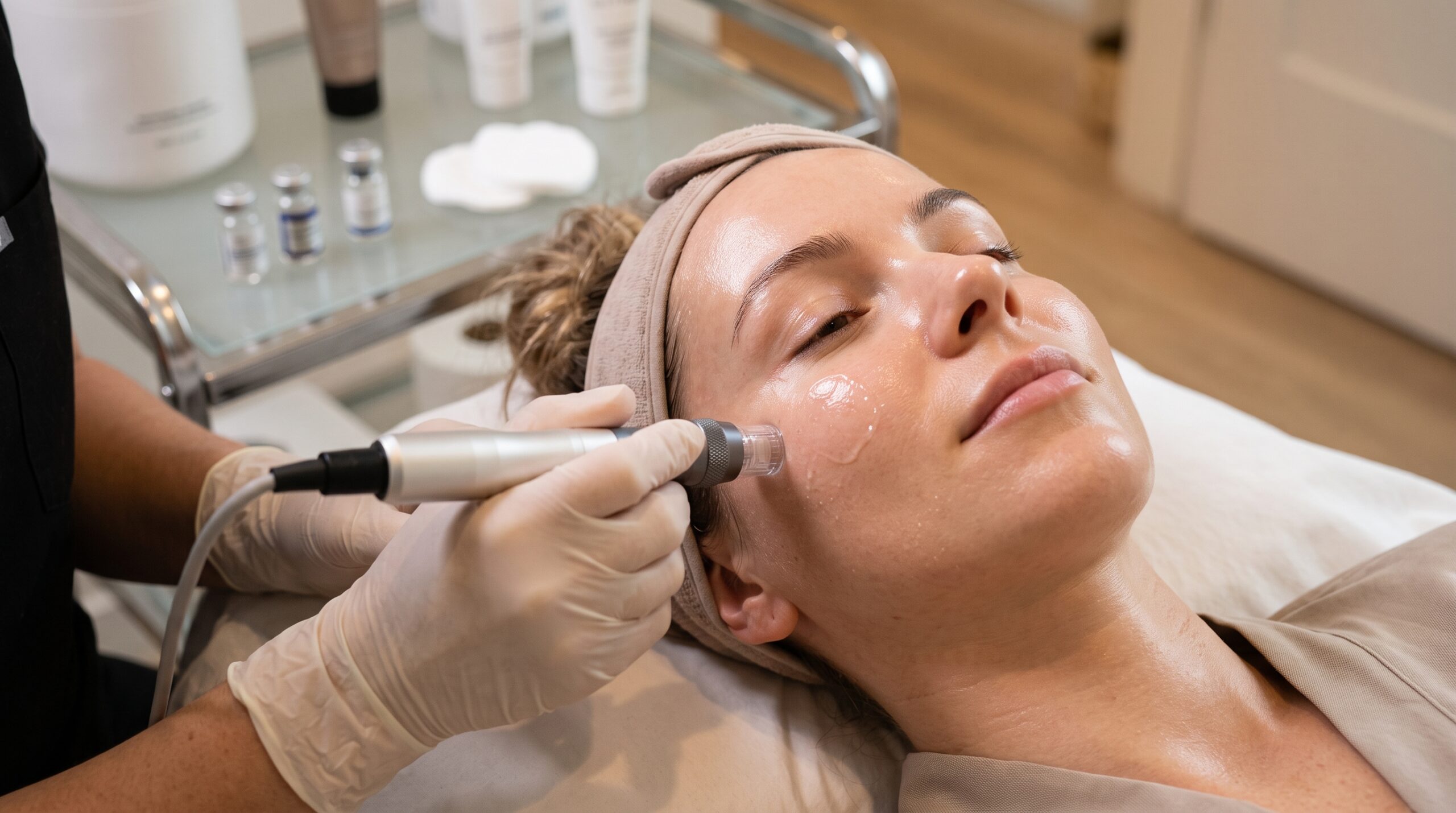
The vertical creases between your brows—often called the “11s”—are the most frequently treated area. The FDA approval for Dysport in this zone specifies 50 units divided across five small injection points. Depending on how actively you furrow your brow, you might need slightly less (around 40) or slightly more (up to 60).
Forehead Lines
The frontalis muscle lifts your eyebrows and creates horizontal lines across your forehead. Dysport spreads slightly farther than alternative injectables, which makes it particularly useful across this broader flat muscle. Most patients need between 20 and 40 units here. Injectors keep this dose measured carefully to avoid making the eyebrows feel heavy.
Crow’s Feet
The orbicularis oculi muscles wrap around your eyes and engage when you smile or squint. Because this area sits over thin, delicate skin, dosing usually ranges from 15 to 30 units per side (30 to 60 total). This softens outer crinkles while keeping your smile expressive and natural.
What Changes Your Personal Dosage?
Two people can walk into an appointment with horizontal forehead lines and leave with two completely different prescriptions. Several anatomical factors shape your dose:
Key Factors That Influence Your Unit Count:
- Muscle Mass & Strength — Stronger muscles require more product to relax
- Facial Surface Area — Broader foreheads require wider distribution
- Metabolic Rate — Fast metabolisms can shorten duration, needing dose adjustments
- Aesthetic Preferences — Natural softening vs. minimal movement
- Muscle Strength: If you have strong facial expressions that you use constantly when speaking, your muscle fibers are thicker. Thick muscle tissue takes more units to calm down than softer muscle movement.
- Biological Sex: Men generally have denser facial musculature and greater bone structure than women. Because of that added muscle bulk, male patients often require roughly 20% to 50% more units in areas like the glabella to see the same result.
- Forehead Width: A broad forehead has more surface area to cover than a narrow one. Dysport’s natural spread helps cover larger sections efficiently, but larger muscle groups still need adequate units to keep coverage uniform.
- Your Desired Movement: Some people want full immobility to prevent any creasing at all, while others prefer a softer approach that keeps some brow elevation. Your provider adjusts your unit count to match that preference.
What to Expect at a Consultation in West Seneca
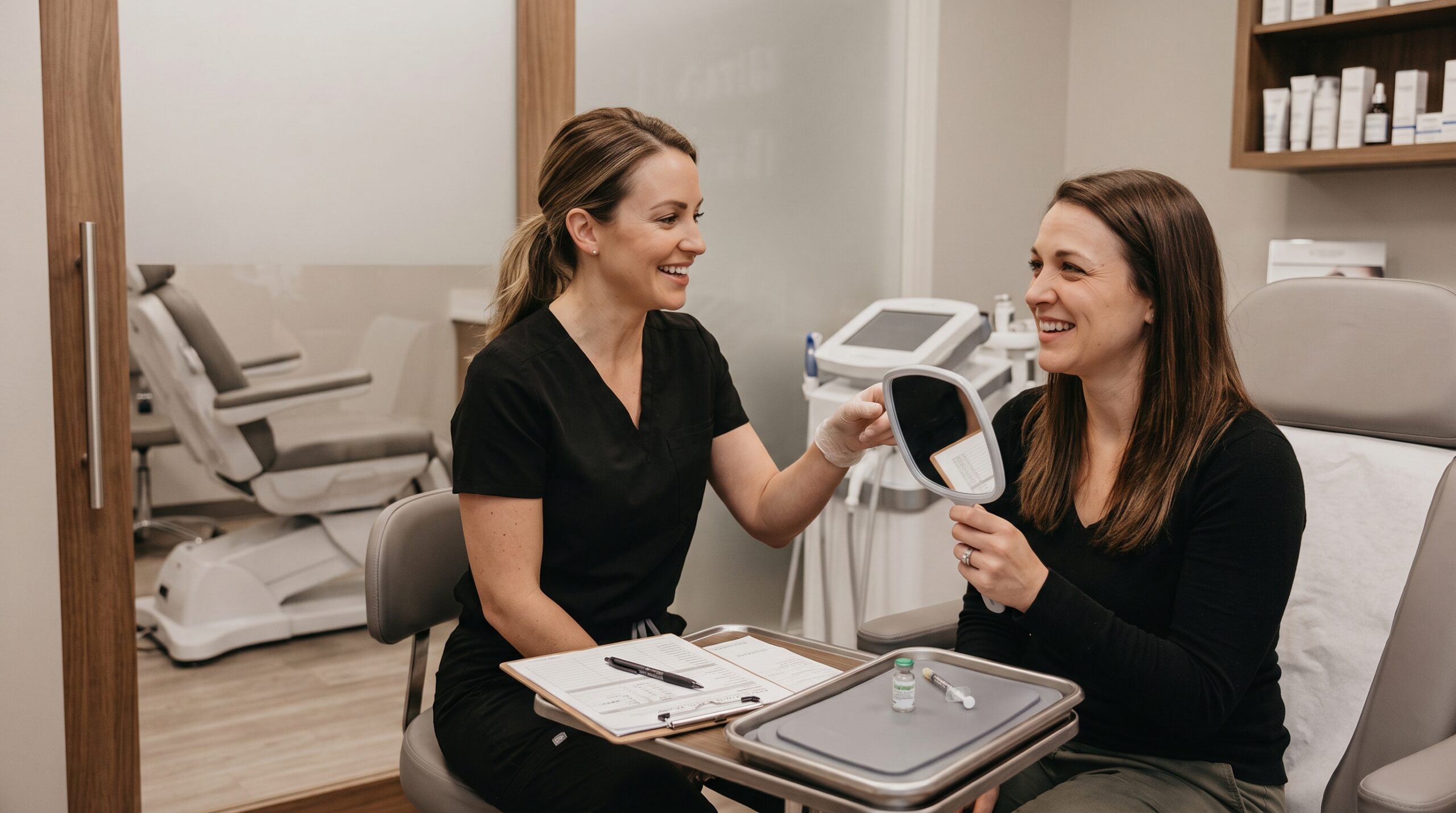
When you visit an experienced injector at The Skin Center at Southgate Medical Group, they won’t simply hand you a one-size-fits-all number off a chart.
Your appointment begins with dynamic facial mapping. Your injector will ask you to frown, raise your eyebrows, smile widely, and squint. Watching how your muscles pull shows them where your lines originate and how much resistance your tissue has.
If you’re new to Dysport, providers usually take a conservative approach. It’s easy to add a few more units at your two-week check-in if a muscle still shows more movement than you’d like. Starting thoughtfully ensures your results look rested, natural, and never stiff.
Frequently Asked Questions
Can I get fewer units to save money?
You can, but under-dosing isn’t recommended. If a muscle doesn’t receive enough units to relax properly, it will continue to pull against the skin. That means your lines won’t smooth out as expected, and the treatment will wear off weeks earlier than the typical 3-to-4-month window. It’s usually better to treat one area with an adequate dose than to spread too few units across several areas.
How quickly will I see my Dysport results?
Dysport tends to work relatively fast. Many people start noticing a softening in muscle movement within 2 to 3 days, with the full smoothing effect showing up between days 10 and 14.
How often will I need to return for more units?
Most people schedule maintenance visits every 3 to 4 months. As you maintain consistent treatments, your facial muscles gradually train themselves to relax, which can help your results stay consistent between visits.
Does getting more units mean my face will feel frozen?
No. An unnatural, rigid appearance happens when an injector places product incorrectly or uses excessive amounts for your specific anatomy. A calibrated dose targets only the specific fibers causing the wrinkle while allowing your surrounding muscles to show normal facial expression.