Quick Article Summary
- The Shared Foundation: Botox, Dysport, and Jeuveau all use botulinum toxin type A to temporarily relax targeted facial muscles that cause dynamic wrinkles.
- Onset Differences: Dysport works the quickest, often showing initial changes within 2 to 3 days. Jeuveau and Botox generally settle in between 3 to 7 days, with full results visible around day 14.
- Spread and Diffusion: Dysport has a wider molecular spread, making it well-suited for broader areas like the forehead. Botox and Jeuveau offer tighter precision, which works well for isolated spots like crow’s feet and frown lines.
- Dosing and Units: Botox and Jeuveau convert at a 1:1 ratio. Dysport uses a smaller molecular weight unit system requiring roughly 2.5 to 3 units for every 1 unit of Botox, so overall treatment cost stays comparable rather than discounted.
- Longevity: All three products typically last 3 to 4 months depending on individual metabolism, muscle strength, and dosage.
If you’re noticing deeper lines across your forehead, stubborn “11s” between your eyebrows, or faint crinkling around your eyes, you’re not alone. When exploring wrinkle relaxers, it’s easy to feel overwhelmed by the brand names on the market. For years, “Botox” was the catch-all term people used for all neuromodulators. Today, newer alternatives like Dysport and Jeuveau give patients more flexibility than ever.
While all three belong to the same family of facial injectables, subtle differences in molecular structure, spread, and onset speed mean one might fit your facial anatomy and timeline better than another. Here’s a clear breakdown of how they compare so you can navigate your consultation with confidence.
How Neurotoxins Work Under the Skin
Every time you smile, squint against the glare coming off Lake Erie, or furrow your brow in deep concentration, your facial muscles contract. Over time, that repeated creasing etches lines into the skin.
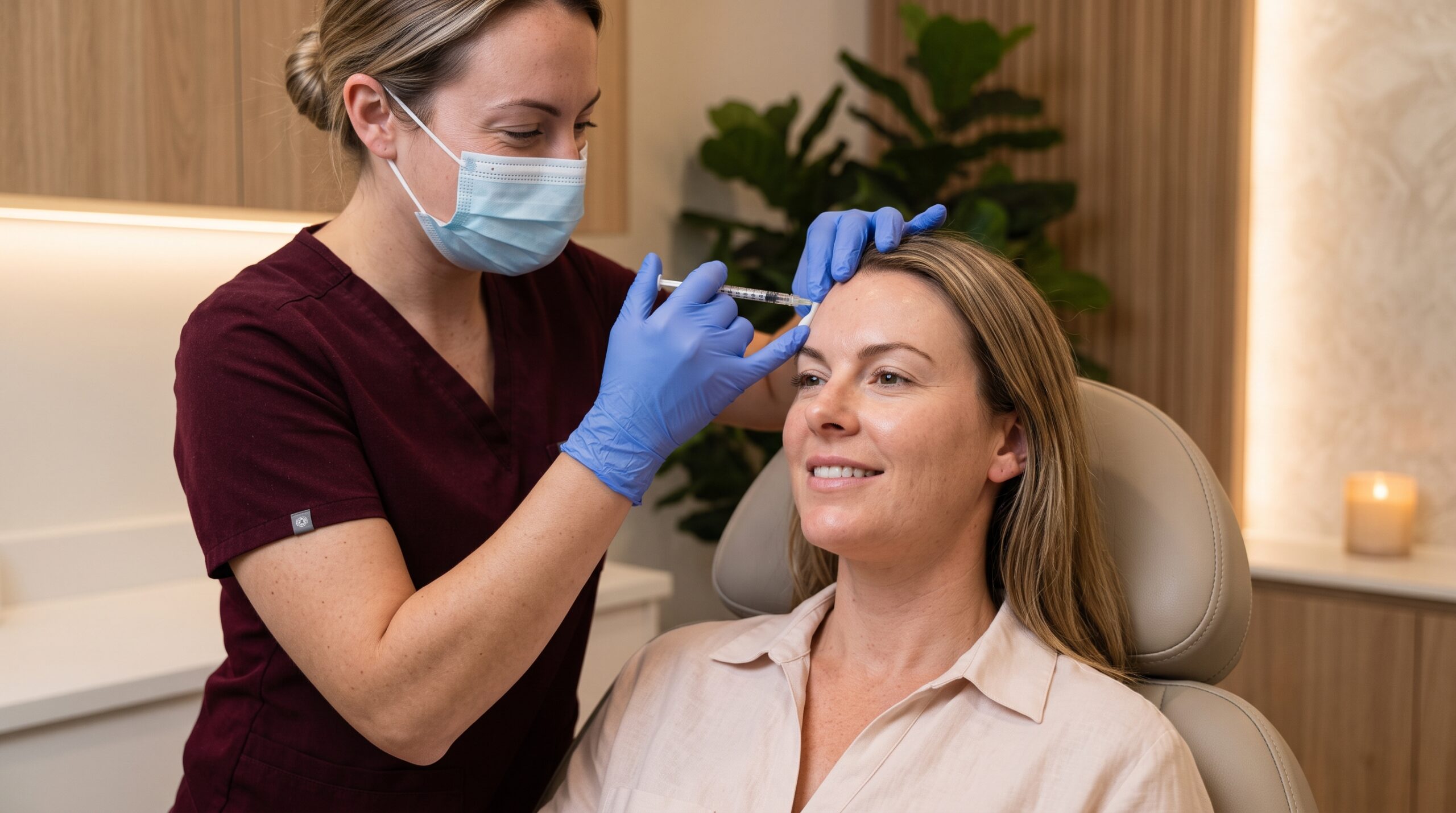
Botox, Dysport, and Jeuveau are purified neuromodulator proteins (botulinum toxin type A). When injected into precise facial muscles, they temporarily intercept the chemical signals sent from nerves to muscle fibers. The muscle relaxes, the skin above it smooths out, and dynamic lines soften.
When dosed properly by an experienced clinician, none of these options leave you looking frozen. You’ll still be able to show emotion—your skin simply won’t wrinkle as aggressively when you do.
Dysport (abobotulinumtoxinA)
Approved by the FDA for cosmetic use in 2009, Dysport uses a slightly smaller molecular structure and different protective proteins.
- Broader Diffusion: Dysport spreads farther from the injection point than Botox does. This makes it helpful for smoothing wide forehead lines without requiring a dozen separate needle pricks.
- Fast Onset: Dysport frequently starts working in just 2 to 3 days, making it the practical choice when you’re working with an upcoming weekend event.
- Unit Differences: Dysport uses a different unit measurement system. It takes approximately 2.5 to 3 Dysport units to deliver the same muscle-relaxing effect as 1 unit of Botox.
Jeuveau (prabotulinumtoxinA)
FDA-approved in 2019, Jeuveau (often called “#Newtox”) is the first neurotoxin developed solely for aesthetic purposes rather than medical indications like migraines or muscle spasms.
- Modern Purification: Jeuveau uses a proprietary purification process designed to deliver high purity and consistent performance.
- Direct Botox Alternative: Jeuveau is dosed at a straightforward 1:1 ratio with Botox and shows a similar, controlled spread pattern.
How to Determine Which Option Fits You
Choosing between these three injectables rarely comes down to which brand is “better.” Instead, it’s about matching the product to your features, lifestyle, and goals:
- If you want quick results and a soft, feathered blend across a broader forehead: Choose Dysport. It spreads easily over wider surface areas and kicks in fast when you’re prepping for an upcoming gathering. You can learn more about how we administer this on our dedicated Dysport treatment page.
- If you want pinpoint precision: Choose Jeuveau. It stays tightly contained right where it’s placed, making it a dependable pick for delicate, targeted zones around your eyes or mouth.
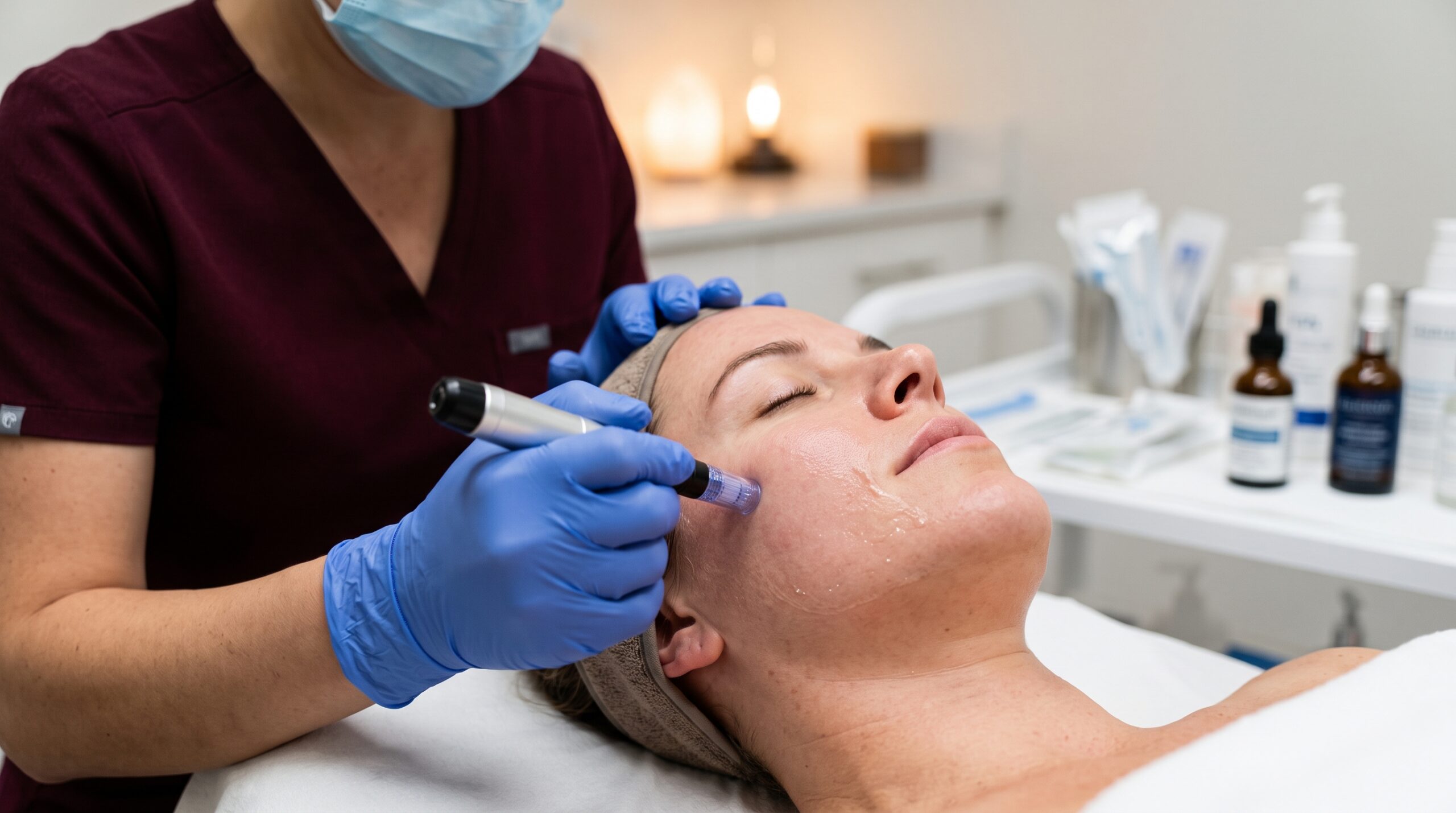
Many patients in Western New York choose to incorporate neuromodulators alongside seasonal anti-aging treatments—such as laser resurfacing or microchanneling—to keep their skin looking balanced through dry winter chills and humid summer heat waves alike.
Frequently Asked Questions
Is Dysport cheaper than Jeuveau because it costs less per unit?
Not usually. Dysport requires about 2.5 to 3 units to equal the strength of 1 unit of Jeuveau. While the price per unit of Dysport looks lower on a menu, your provider will need more units to treat the area, meaning the total cost for the appointment ends up roughly the same.
Can I switch between Botox, Dysport, and Jeuveau?
Yes. Switching between neurotoxins from one appointment to the next is safe and common. In fact, if you feel your current product isn’t lasting as long as it used to, switching brands can give your receptors a fresh response.
Will getting treated make my face look frozen?
No. An unnatural, rigid look is the result of over-dosing or poor placement, not the product itself. Skillful injectors evaluate your dynamic facial expressions and administer just enough product to soften line formation while preserving your natural expressions.
How often do I need maintenance appointments?
Most patients book follow-ups every 3 to 4 months. With consistent treatments over time, your targeted muscles gradually learn to relax, which can allow some people to extend the time between visits.